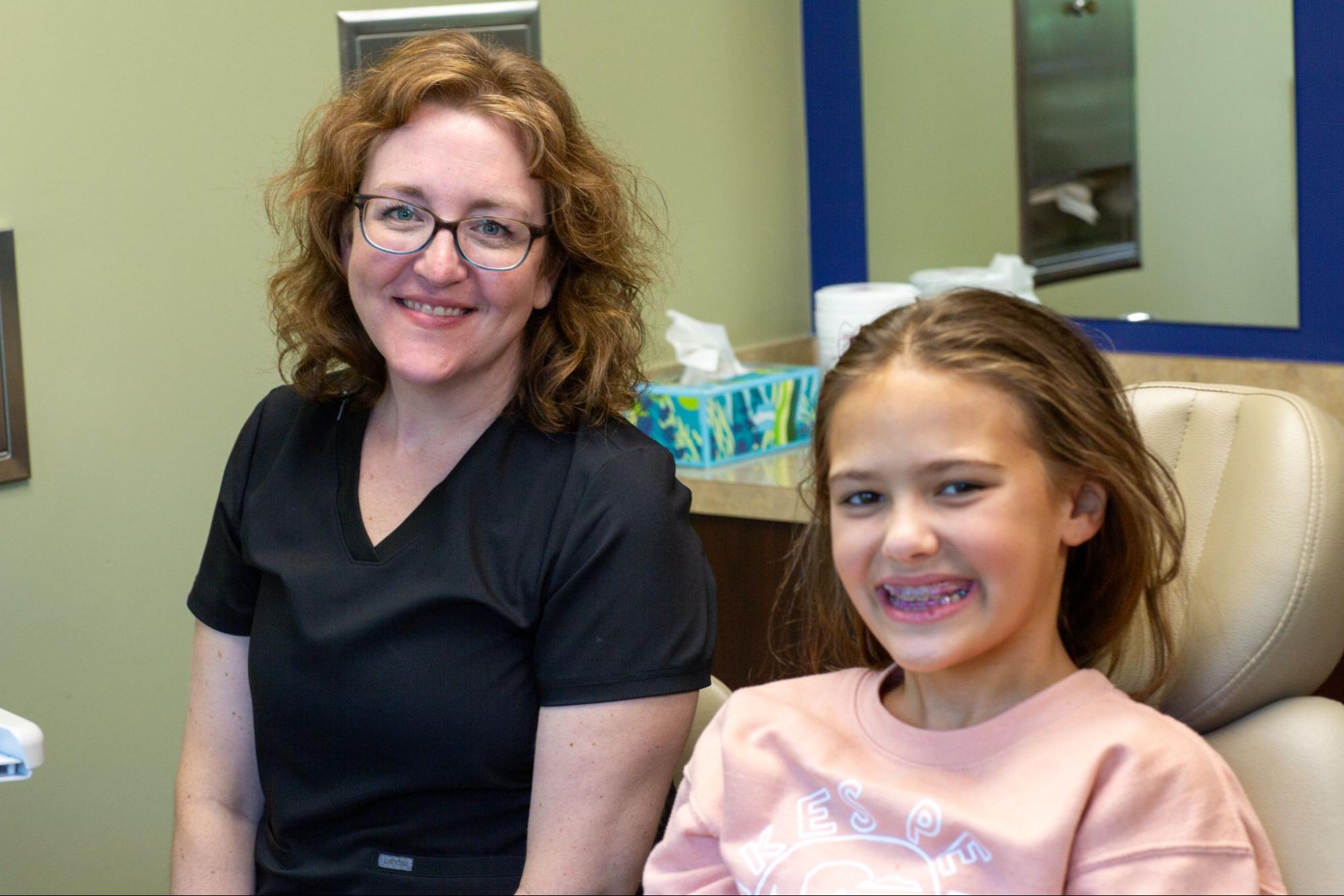
If you’ve noticed your child’s teeth coming in crowded, their bite looking a little off, or habits like thumb sucking sticking around, you might wonder if it’s too early for orthodontic treatment. In fact, early orthodontic treatment can be one of the smartest steps you take.
Interceptive orthodontics is designed to address potential issues before they become bigger and often more expensive challenges. Here at Lifetime Orthodontics in Clinton Township and Grosse Pointe, Dr. Wesley and our team specialize in spotting these issues early and creating child-friendly and effective treatment plans that help growing smiles develop the right way. Here are some commonly asked questions about interceptive orthodontics that might be able to help you determine if it’s the right choice for you and your child.
What Is Interceptive Orthodontics?
Interceptive orthodontics (also known as Phase I treatment) is an early form of treatment designed to correct issues in a child’s skeletal or dental development. What sets interceptive treatment apart is the age at which it starts, which is typically between ages 6 and 9.
The goal behind interceptive treatment is in the name: intercept the problem and fix it before it develops further. Phase I treatment not only ensures that crossbites (when the teeth don’t line up correctly) and dental bone issues are corrected before they create more problems for your child later down the road, but it also makes their regular orthodontic treatment (also known as Phase II treatment) a smoother and potentially quicker process.
Why Does This Early Intervention Matter?
Sometimes it’s easy to hope that your child’s habits will work themselves out in time, or that facial and bone-related issues won’t impact your child’s orthodontic treatment when that time comes. But there are several benefits to Phase I treatment, such as:
- Proper jaw and facial growth
- Permanent teeth can erupt in better positions
- Reduces or eliminates the need for extractions later
- Corrects harmful oral habits early
What Kind of Issues Does Interceptive Orthodontics Tackle?
The main goal of Phase I treatment is to find issues with your child’s teeth, mouth, and bite before they become long-term problems your child may have to live with forever.
Here are some common issues that can be fixed with Phase I treatment:
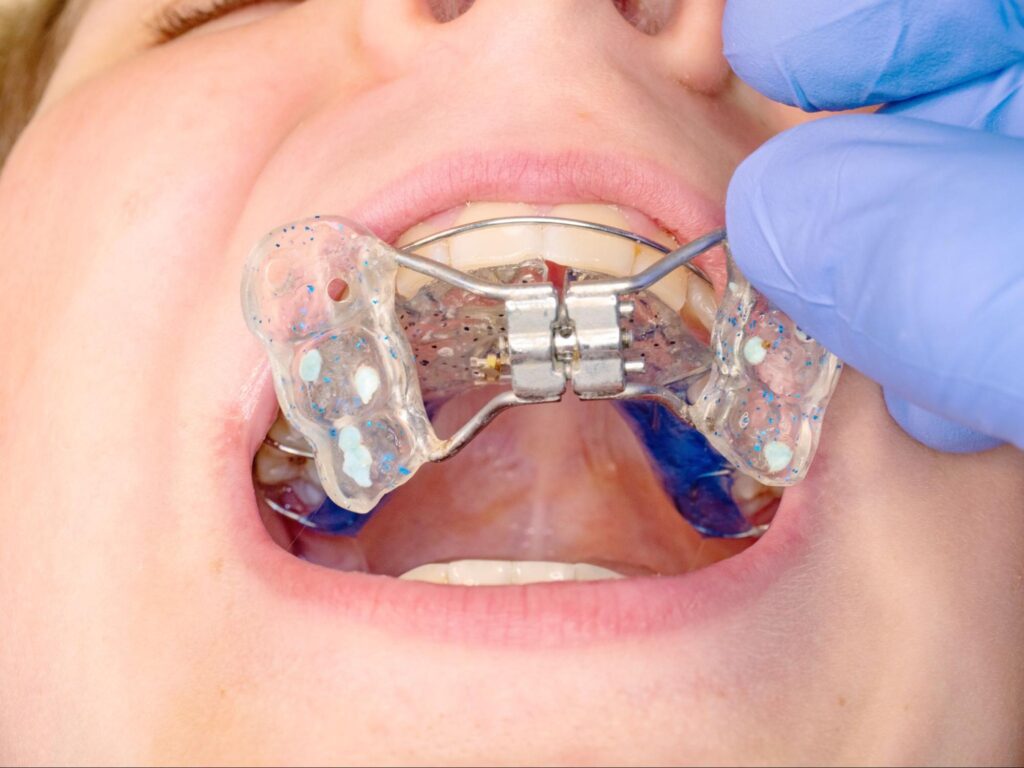
- Widening a narrow upper jaw to fix a crossbite
- Bringing forward-jutting upper teeth back into alignment to lower the risk of accident-related fractures
- Stopping habits like thumb-sucking before they cause long-term changes to your child’s jaw and bite
- Extracting baby teeth to help permanent teeth grow in correctly
How Does Interceptive Orthodontics Work?
Here at Lifetime Orthodontics, we have a step-by-step plan on how we guide you and your child through interceptive orthodontics.
Step 1: The Evaluation
During your free consultation with Dr. Wesley and his team, he’ll take some x-rays and photo scans of your child’s teeth. Through these methods, he’ll determine if there are any issues that need to be fixed via Phase I treatment and the best way to do so.
Step 2: The Plan
After determining what needs to be fixed, Dr. Wesley will put together a personalized treatment plan that you and your child can follow. This may include treatments like palatal expanders, partial braces, space maintainers, and/or habit appliances.
Step 3: The Treatment
After putting together a plan, your child’s treatment will start. Depending on what needs to be fixed, this step can take anywhere from 6 to 18 months.
Step 4: The Result
After your child’s treatment is over, Dr. Wesley will let your child’s teeth have a resting period while monitoring dental growth. This way, he’ll be able to tell if the treatment plan is working, as well as if your child needs Phase II treatment.
The team at Lifetime Orthodontics will ensure that your child’s treatment plan is patient-friendly throughout the entire process. We want to make sure that you and your child feel comfortable as we work to make sure their smile shines!
How Can I Support My Child’s Interceptive Orthodontic Care?
If your child is undergoing interceptive orthodontic treatment, there are some ways you can help make sure their plan stays on track. Be sure to assist your child by:
- Keeping up with regular dental and orthodontic check-ups
- Following appliance care instructions
- Encouraging healthy oral habits; these include brushing properly, eating foods that are healthy for teeth, and flossing regularly
How Long Will Interceptive Orthodontics Take?
Treatment times usually depend on the child and their dental situation. In most cases, Phase I treatment can take around 12 months. The main factors that determine how long your child will be in treatment are the complexity of the issue and how well your child responds to treatment. If you have any questions about the process, feel free to contact us so we can discuss your child’s treatment plan with you!
Does My Child Need Interceptive Orthodontics?
Typically, there are some ways you can tell if your child’s oral habits or teeth are in a green or red flag situation. Some signs your child might need early orthodontic care include an underbite or overbite, front teeth that stick out, or baby teeth that fall out too early or hang on a little too long. If you notice any of these, Dr. Wesley can take a look. These signs could mean starting Phase I treatment now or just checking in from time to time until it’s the right moment for full orthodontic care.
Not sure if your child needs interceptive orthodontics? Don’t worry, we’ve got you covered! By scheduling a free consultation with Dr. Wesley, you’ll learn how Phase I treatment works, how long it will take, and if it’s the right choice for you and your child.

Lifetime Orthodontics Your Stop for Orthodontic Success
At Lifetime Orthodontics, led by board-certified Dr. Wesley, Phase I treatment is simple, effective, and will leave your child with a score-worthy smile. Interested in orthodontic care for your child? Reach out to our team in Clinton Township or Grosse Pointe Woods for a free consultation now!